PVC pipes and water tanks for a new home
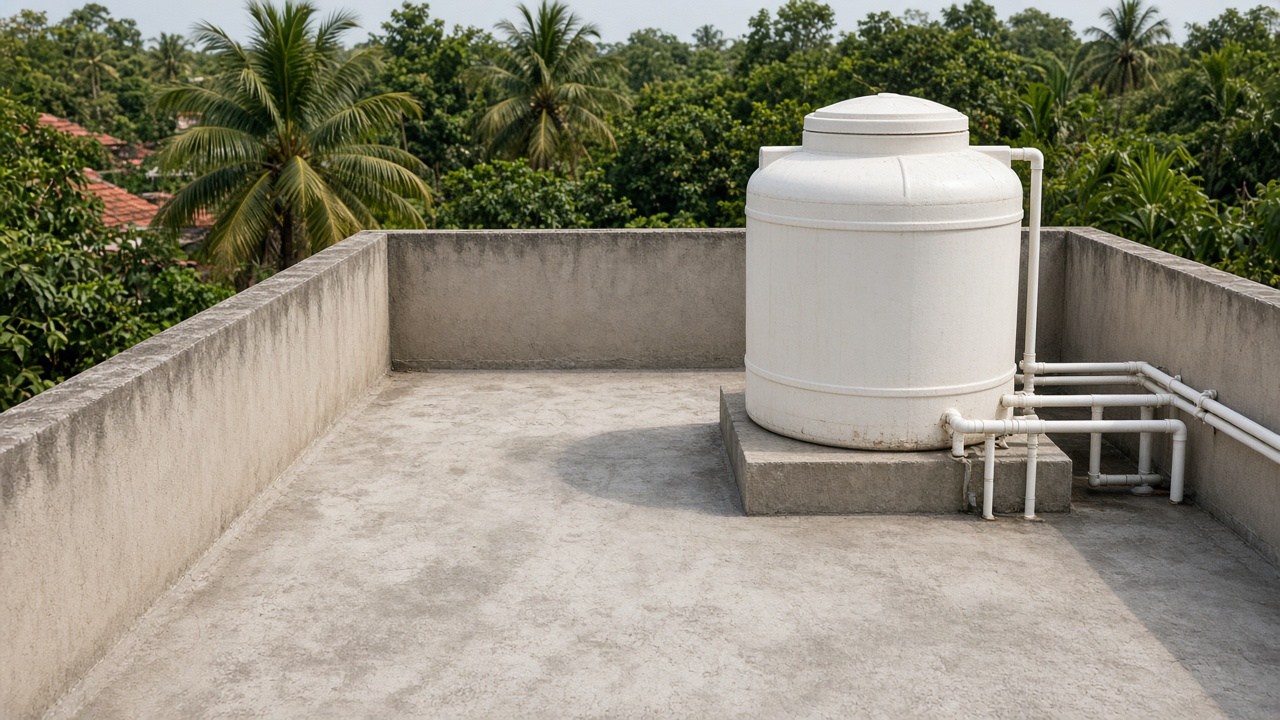
How to size an overhead tank and choose PVC lines for a new house, with Supreme, United and Goodwill at VTJ HOMEDECOR.
1. Size the tank from how you actually use water
A tank that is too small runs out during a morning rush. A tank that is far too large sits full and stale if the family is small. A practical start for a two- or three-bedroom home is a tank that covers a full day of kitchen, bath and washing use, with some spare for a pump delay. If you have a well and a sump, the overhead tank only needs to cover the hours between pump runs.
2. Keep drinking water and drain lines apart
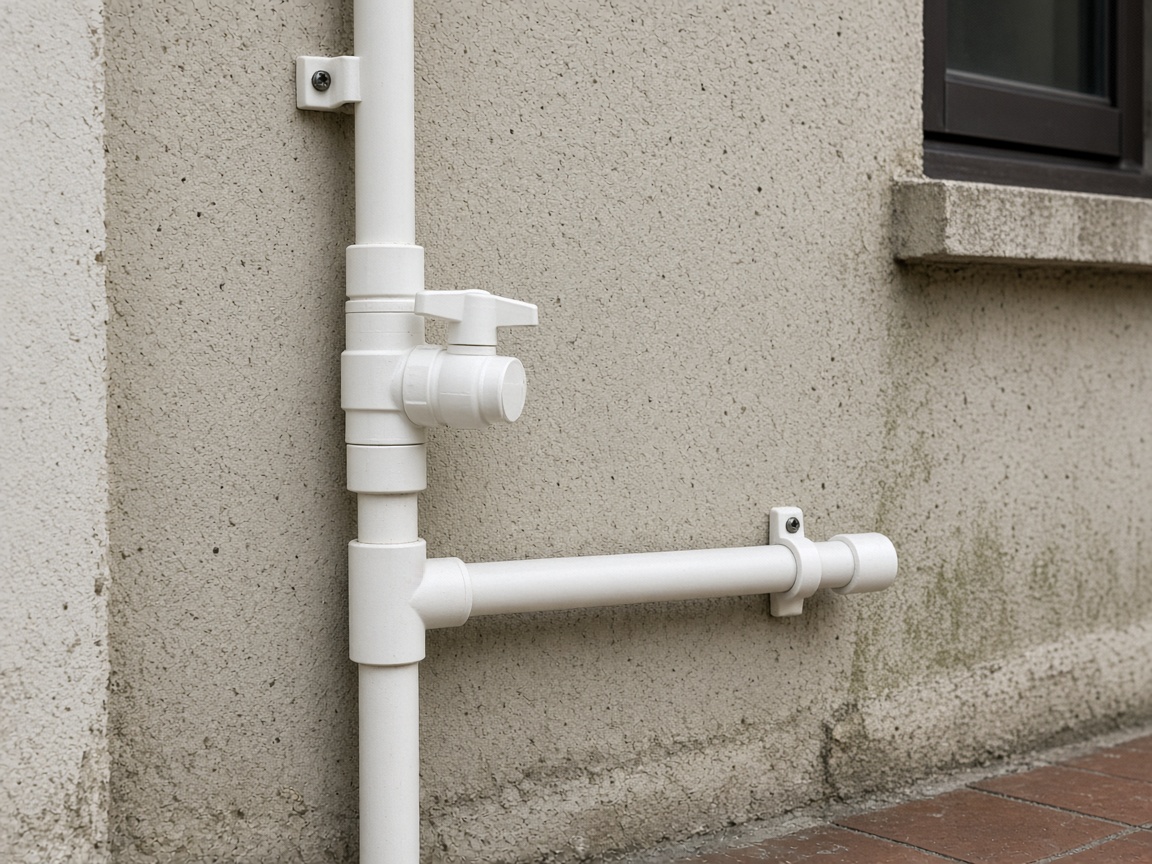
Use a potable-water grade for the lines that feed the kitchen and bathrooms, and a separate soil and waste system for the drains. Do not bury a joint you have not pressure-tested. Leave the terrace pipes in shade where you can, because a line in full sun heats the first draw of water. Supreme and United pipes, and Goodwill tanks, are available at the Koothattukulam showroom.
3. The terrace details that leak later
The tank needs a firm, level base, an overflow that discharges away from the wall, and a lid that actually closes. The outlet should sit a little above the tank floor so silt is not drawn into the house. Sleeve every pipe that passes through the slab so the waterproofing has a neat collar. These are small decisions on site and expensive ones after the flooring is done.
Conclusion
Pick the tank size from a day of real use, then run tested PVC lines with a proper overflow. See the tanks and pipes at VTJ HOMEDECOR, Chorakuzhy, MC Road, before the slab is cast.